







No AI Art Policy
Last updated:
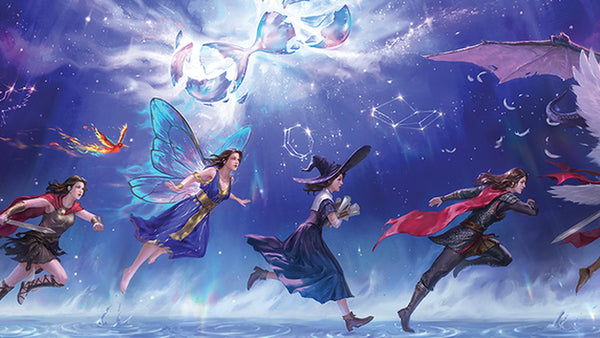
Our art is made by humans
The Merch Guild does not use AI generated artwork for the designs on our products.
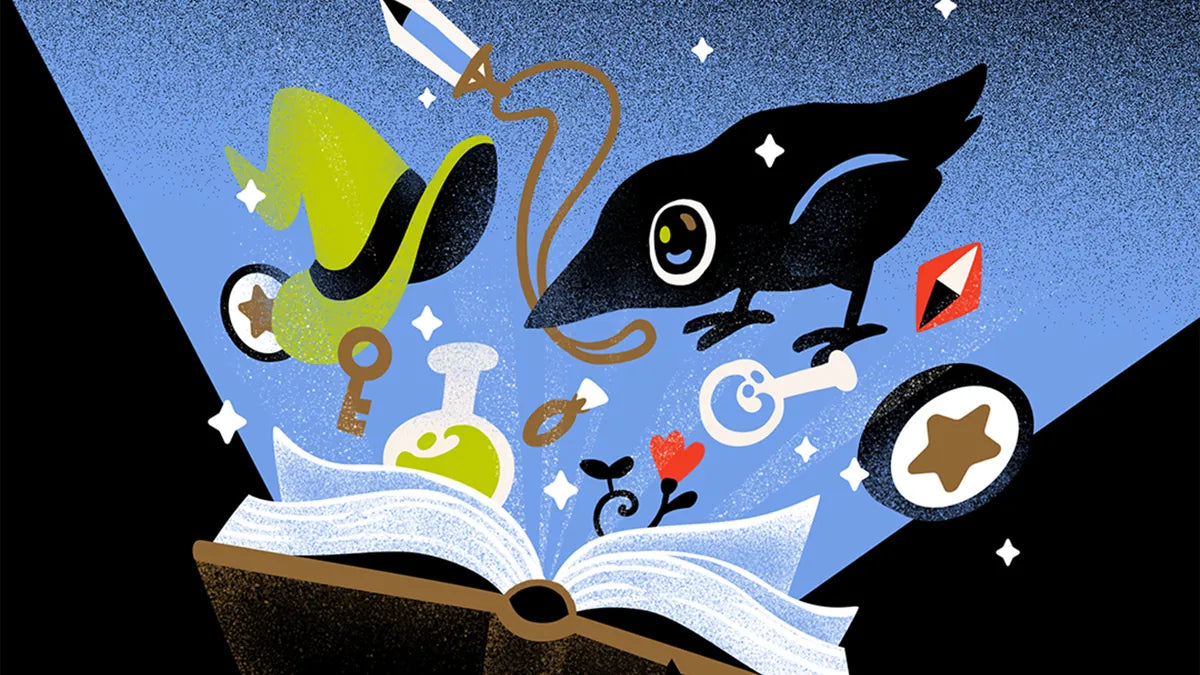
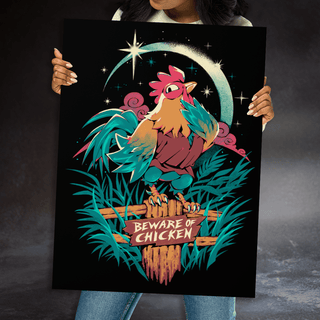
The characters, scenes, logos and illustrations you see on our merchandise are created by real people, not AI.
We hire real illustrators, logo designers, layout artists and plush designers for our design work. Every design is drawn or designed by someone who has spent years practicing their craft.
Why we reject generative AI art
Most generative art models today are trained on huge collections of artwork that were scraped or bundled without clear permission or fair compensation for the original artists.
Even when 'permission' exists, it is deceptively obtained by burying it in long terms and conditions, users never realistically read.
We do not want our products or our business to rely on that kind of system.
Our business depends on the imagination and skill of artists and authors. Their illustrations, stories, characters and creative writing are what make these products worth making. We believe that work deserves protection and fair payment, and we won’t use generative AI to replace it.
How we uphold this policy
We require original, human-created artwork from every artist we commission. We make our no-generative-AI requirement clear and back it up with reasonable checks, including reviewing portfolios, sketches and work-in-progress drawings.
These checks take place during commissioning, before we approve artwork for our products. We review the creative process with the artist and request further supporting material where needed. We only approve original artwork created by human artists, not generated by AI.
The same standard applies to our own creative work. We never use generative AI to create our in-house artwork or illustrations.
We aim to credit the artists behind our artwork, unless they ask not to be named, so customers can see who created each piece.
Our rule of thumb
Our rule of thumb is simple. If a task is part of the creative heart of the product, we do it with people, not AI. This includes all illustration and visual creative work you see on our product designs.
If it is a small, background utility task that we would never have hired an artist or other specialist for, we sometimes use AI powered tools (for example background removal and automated product tagging), as long as they do not replace or undermine anyone’s work.
Where we do use AI tools
We do occasionally use AI-assisted tools for supporting tasks, such as helping draft product information, checking spelling and clarity, and writing image or audio descriptions to make our store more accessible. We check and edit this material before publishing it. We see a meaningful difference between helping someone access an artist’s work and generating artwork to replace it, or checking a description and writing an author’s story for them. That distinction guides how we use these tools.
We use a small set of AI powered and automated tools in support roles only, for example:
-
Drafting visual descriptions of products and artwork for blind and visually impaired customers, which we check and edit before publishing
-
Cleaning up product photos, including background removal or replacement
-
Small image fixes such as dust removal or spot healing in Photoshop
-
Grammar and spell checking for product descriptions and emails
-
Automated product tagging and basic search tools in Shopify
-
Code copilots and tooling that support the website development and store backend
-
Occasional help drafting text, which we review and edit before publishing
These tools support the presentation of our products and the running of the store, helping a very small business keep going while still doing the school drop-offs, soccer runs, and not always working at 2am.
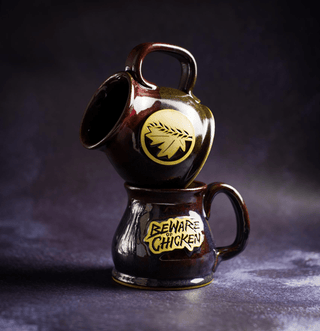
They are not used to generate the artwork that appears on your shirt, mug, bookmark, plush tag or any other designed item we produce.
Why transparency matters
We believe two things at the same time:
-
The art on our products should be made by human artists, not image models.
-
Customers deserve clear answers about where AI is and is not used.
Many companies use careful wording that hides how much AI is involved in their product, their business practices and website build. We would rather spell it out clearly.
Our commitment
We are committed to supporting the creative community and making sure real people get paid for their work, whether they are illustrators, designers or authors.
If you want to know how a specific product was made, you can ask and we will explain it as plainly as we can.